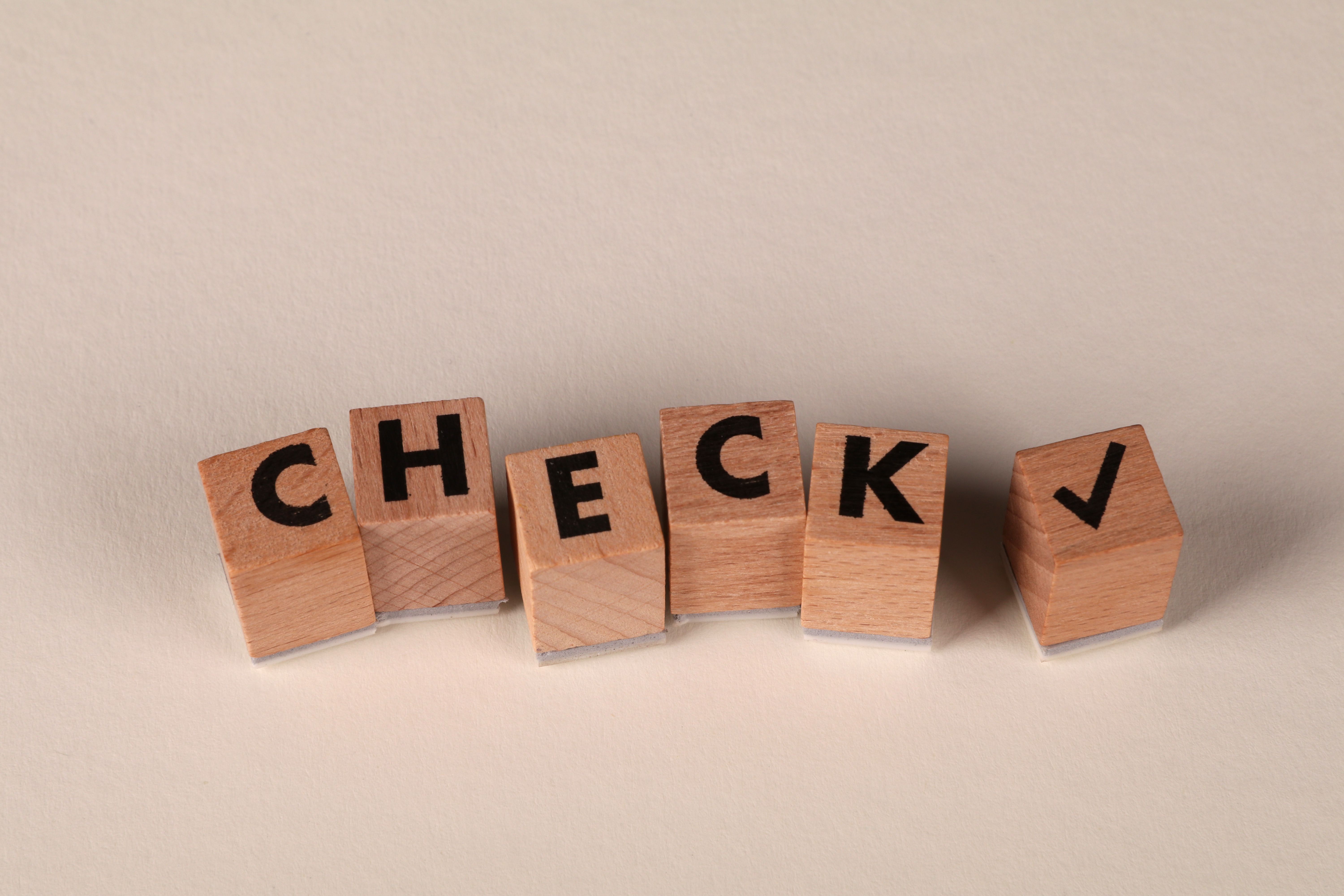
 Fellow writers, how many of you can relate? The vibes are just right, the words are flowing, and you feel unstoppable. Until you come up for air and realize that you’ve got some really interesting typos scattered throughout the writing you just did. Typos are annoying but not the end of the world, right? As a professional business content writer, I can confidently say that typos are indeed not the end of the world…unless they get through in your final deliverable!
The most common typos you’ll get from me
Despite multiple edits, there are some typos that just find their way into what would normally be the final delivered piece. Maybe this confirms I am a human blog writer rather than an AI blog writer? Anyway, moving on. Before I put my typos screens in place (more on that later), the most common word flubs or typos you’d get from me include:
- Teh: This is one of the ones that my spell check catches about 50% of the time. It can also take the form of “tehere”, “hte”, “hteir”, and so on.
- Nad: I am least likely to have a problem with this one, thankfully. It can also show up as “nand”.
- Form: This one bugs me to no end because it’s technically a word, so it won’t show up on a traditional spellcheck. This one can occasionally pop up as “frorm”, too.
How to keep those typos my (sorta-kinda) secret
Once I realized that there was simply no changing how my fingers processed these words, I had to get creative. These are the real tips I use to help these word flubs pop out (done in this specific order). Can you guess what any of these will be?
- I manually read each line of my work backwards: I read from the last sentence to the first sentence and often catch a few of the typos that way. It is also a great tip for catching awkward phrasing and things like that.
- I do a manual “hide and seek” spell check: I keep a list of the common misses that I am prone to making and then do a manual spell check. I type in each of the variations above (and more as I find them) and use Ctrl-F to locate them in the document!
- I open my work in a different word processor: I’m assuming I’m not the only one who has and uses multiple word processors, right? Regardless, I highly recommend opening up an edited document in a different processor and then seeing if the squiggly lines pick up anything. Then I do a spell check in that processor. It can often locate the last of them!
While I obviously always try to put my best foot forward for my clients, I also hold the belief that typos happen. That being said, I also find that doing these extra steps can help me keep those “oopsy daisy” moments to an absolute minimum. Fellow writers, what do you think? What are some typo tips you use? Do you have any that slip through your checks?


Leave a Reply